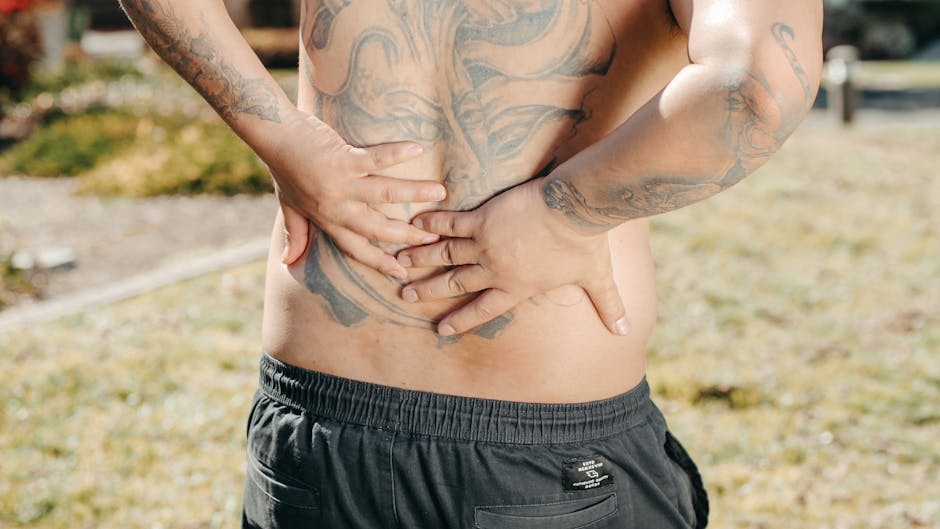
Causes and Treatments for Lower Back Pain in the US
By Editorial Team · September 6, 2026
Lower back pain is a prevalent issue affecting millions of individuals in the United States. It can arise from various causes, including lifestyle factors, medical conditions, and injuries. Understanding these causes is essential for effective treatment and prevention.
Common Causes of Lower Back Pain
Lower back pain can stem from multiple sources. One of the most frequent causes is muscle or ligament strain. This can occur due to heavy lifting, awkward movements, or prolonged periods of poor posture. Over time, repetitive stress on the back can lead to muscle fatigue and injury.
Another common cause is degenerative disc disease. As people age, the discs in the spine can wear down, leading to pain and discomfort. Conditions such as herniated discs, where the inner gel-like substance protrudes, can also contribute to lower back pain. Arthritis is another potential source, as it can cause inflammation and stiffness in the joints of the spine.
In addition to physical causes, psychological factors can exacerbate lower back pain. Stress and anxiety often manifest physically, leading to muscle tension and discomfort. Individuals with a history of depression or anxiety disorders may be more susceptible to experiencing chronic pain.
Diagnosis and Evaluation
When seeking treatment for lower back pain, a healthcare provider typically starts with a thorough evaluation. This process may include a physical examination and a review of the patient's medical history. In some cases, imaging tests such as X-rays or MRIs may be required to identify underlying issues.
Understanding the cause of the pain is crucial for developing an appropriate treatment plan. Healthcare providers may also assess lifestyle factors, such as activity levels, diet, and ergonomic practices at work or home. This comprehensive approach helps tailor recommendations to the individual's needs.
Treatment Options
Treatment for lower back pain often varies based on the underlying cause and severity of the condition. For mild to moderate pain, conservative methods are usually recommended. These may include:
- Physical Therapy: A physical therapist can design a customized exercise program to strengthen core muscles, improve flexibility, and promote better posture.
- Medications: Over-the-counter pain relievers, such as ibuprofen or acetaminophen, can help alleviate discomfort. In some cases, prescription medications may be necessary.
- Heat and Cold Therapy: Applying heat or cold packs to the affected area can provide temporary relief, reduce inflammation, and promote muscle relaxation.
For more severe or persistent pain, healthcare providers may explore additional treatments. These can include:
- Injections: Corticosteroid injections may be used to reduce inflammation and provide temporary relief.
- Chiropractic Care: Chiropractic adjustments can help realign the spine and relieve pressure on nerves, potentially reducing pain.
- Surgery: In cases where conservative treatments fail to provide relief, surgical options may be considered. This can include procedures to remove herniated discs or stabilize the spine.
Lifestyle Modifications and Prevention
Preventing lower back pain involves making certain lifestyle changes. Maintaining a healthy weight can reduce stress on the spine. Regular physical activity, including exercises that strengthen the back and core, can improve stability and flexibility.
Ergonomics also play a crucial role in back health. Individuals who sit for extended periods should ensure their workstations are set up correctly. Using chairs that support proper posture and taking regular breaks to stretch can help prevent strain.
Additionally, practicing good body mechanics while lifting heavy objects is essential. Bending at the knees and keeping the load close to the body can minimize the risk of injury.
When to Seek Medical Attention
While many instances of lower back pain resolve on their own, certain symptoms warrant medical attention. If pain persists for more than a few weeks, is accompanied by numbness or weakness in the legs, or is the result of an injury, it is advisable to consult a healthcare provider. Early intervention can prevent complications and improve outcomes.
Lower back pain is a common condition with various causes and treatment options. By understanding the factors contributing to this pain and exploring appropriate remedies, individuals can take steps towards relief and improved quality of life.
Related articles

Effective Treatments for Belly Fat Reduction in the US
Explore various treatments for reducing belly fat that are effective and available in the US, from lifestyle changes to medical options.

Understanding Medicare Benefits for Seniors in the US
Explore the various Medicare benefits available to seniors in the US, including coverage options and enrollment details.
Recent Diabetes Studies Exploring New Treatment Options in the US
Discover recent studies in the US that test innovative treatments for diabetes, focusing on efficacy and patient outcomes.