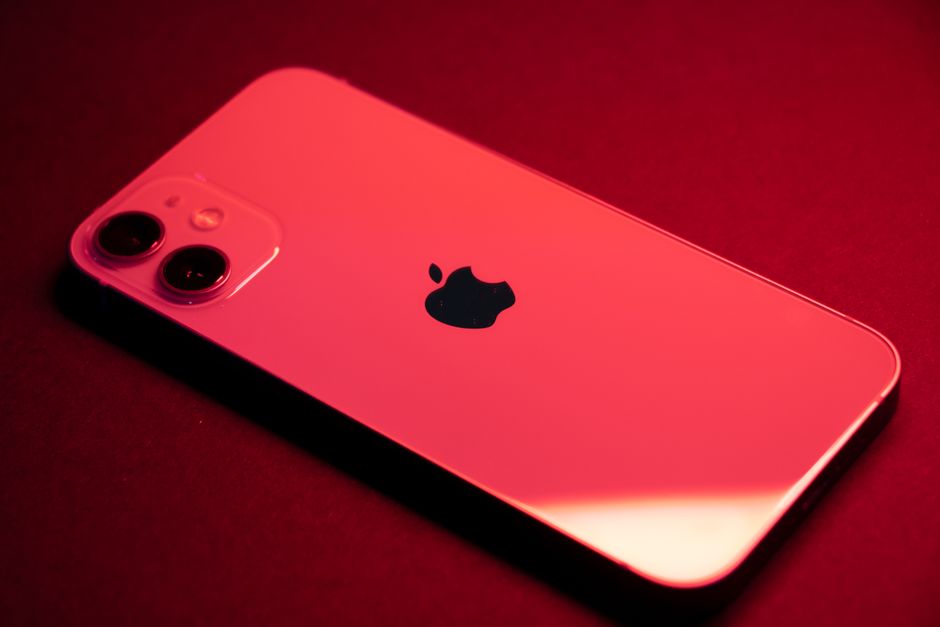
iPhone Contract Options and Costs in the US
By Editorial Team · September 19, 2026
Overview of iPhone Contracts
Purchasing an iPhone often involves understanding various contract options and costs. In the US, consumers typically choose between financing through a carrier, leasing, or outright purchasing the device. Each option has its own implications for monthly payments, total cost, and contract duration.
Financing Through Carriers
Many US carriers offer financing plans that allow consumers to pay for their iPhones in installments. These plans usually require a down payment followed by monthly payments spread over 24 to 30 months. Popular carriers such as Verizon, AT&T, and T-Mobile have their financing options, often with promotional offers that can reduce the overall cost.
For instance, some carriers may offer zero-interest financing if the device is paid off within the agreed period. While financing can make accessing the latest iPhone models easier, consumers should be aware of potential hidden fees or requirements for maintaining a specific plan.
Leasing Options
Leasing is another option available to consumers. With a lease, customers pay a lower monthly fee compared to traditional financing. However, at the end of the lease term, consumers must return the device unless they choose to buy it at a predetermined price. Leasing agreements often come with limitations on how much the phone can be used, such as data limits or extra charges for exceeding set mileage. This option may appeal to those who prefer to upgrade their devices every year or two without committing to a long-term ownership plan.
Prepaid Plans
Prepaid plans offer an alternative for those who prefer not to sign a contract. Under a prepaid plan, customers pay for their phone upfront and choose a prepaid service plan. This option is often more flexible, as it does not require a credit check or long-term commitment. Some carriers even offer discounts on prepaid plans for customers who pay for several months in advance. While the upfront cost of purchasing the phone outright can be high, prepaid plans often have lower monthly fees compared to traditional postpaid contracts.
Total Costs and Considerations
When evaluating costs, it is essential to consider not only the price of the device but also the monthly service fees, taxes, and any additional charges that may arise. For instance, if a consumer opts for a financing plan with a carrier, they might encounter service fees that could add to their overall expenses. Additionally, accessories, insurance, and warranty options can also contribute to the total cost of ownership.
It is crucial to compare the total cost of ownership across different plans and carriers. Some carriers might offer lower monthly payments but have higher overall costs due to fees and higher interest rates. Consumers should also evaluate whether an unlimited data plan is necessary for their usage, as this can significantly impact the monthly bill.
Conclusion
Choosing the right contract option for an iPhone in the US requires careful consideration of various factors, including payment plans, total costs, and individual needs. Consumers should evaluate their usage patterns, budget, and preferences before making a decision. In addition, shopping around and comparing different carrier offers can lead to better deals and savings. By understanding the nuances of iPhone contracts and associated costs, consumers can make informed choices that align with their financial goals and lifestyle.
Related articles
Avoiding Hidden Costs in Mobile Phone Contracts
Learn how to identify and avoid hidden costs in mobile phone contracts to save money and make informed choices.

Understanding Mobile Phone Contract Rights, Costs, and Tips
Learn about your rights under mobile phone contracts, potential costs, and tips for managing your mobile phone service effectively.

Online Colleges Offering Computers with Enrollment
Discover online colleges that provide students with computers upon enrollment, enhancing their educational experience and accessibility.