Medicare's Role in Funding Mobility Scooters in the US
By Editorial Team · August 30, 2026
Introduction
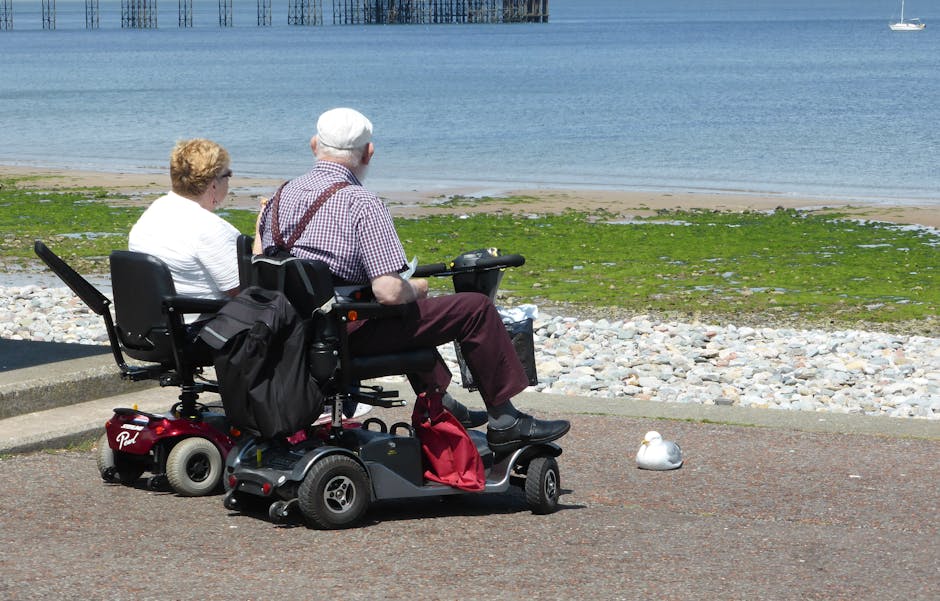
Mobility scooters are essential for many individuals with limited mobility, providing independence and ease of transportation. In the United States, Medicare plays a significant role in funding these devices, making them accessible to eligible beneficiaries. Understanding how this funding works can help individuals navigate their options more effectively.
Eligibility for Coverage
To qualify for Medicare coverage for mobility scooters, beneficiaries must meet specific criteria. Generally, this coverage is available to individuals who are enrolled in Medicare Part B. The primary requirement is that the scooter must be deemed medically necessary by a healthcare provider. This means that the scooter should be prescribed for a condition that significantly impairs the individual's ability to perform daily activities. Common conditions that may qualify include severe arthritis, neurological disorders, or other mobility-related issues.
Beneficiaries must also undergo an evaluation by a doctor, who will assess their mobility needs and determine whether a scooter is the appropriate solution. This evaluation typically involves a face-to-face visit where the doctor reviews the individual's medical history and current condition.
Types of Mobility Scooters Covered
Medicare covers a variety of mobility scooters, primarily categorized under power-operated vehicles (POVs). The scooters that are eligible for coverage include those designed for indoor use, outdoor use, or both. Each type has specific features tailored to different needs. Indoor scooters are usually smaller and designed to navigate tight spaces, while outdoor scooters are built for stability and durability over rough terrain.
It is important to note that Medicare does not cover every model available on the market. The scooter must be approved by Medicare's Durable Medical Equipment, Prosthetics, Orthotics, and Supplies (DMEPOS) program. This ensures that the scooter meets the necessary safety and functionality standards. Patients are encouraged to discuss their options with their healthcare provider to identify suitable scooters that meet the coverage criteria.
The Approval Process
Once a doctor prescribes a mobility scooter, the approval process begins. The healthcare provider must submit specific documentation to Medicare, including a detailed description of the patient's medical condition and the rationale for the scooter's necessity. This documentation is crucial for obtaining approval, as Medicare reviews each case individually.
After submitting the required information, there may be a waiting period for approval. If the claim is approved, Medicare will cover a portion of the costs associated with the mobility scooter. Typically, beneficiaries are responsible for paying 20% of the approved amount after meeting their deductible. It is advisable for beneficiaries to check with their Medicare plan to understand their specific cost responsibilities.
Additional Funding Options
While Medicare provides significant assistance for mobility scooters, some individuals may find the coverage insufficient for their needs. In such cases, additional funding options may be available. Medicaid, for instance, can offer support for individuals who qualify based on financial need. Each state has its own rules regarding Medicaid coverage for mobility devices, so individuals should check with their state’s Medicaid program for details.
Additionally, some non-profit organizations and foundations offer grants or financial assistance for individuals needing mobility aids. These resources can help cover the costs associated with acquiring a scooter, especially for those who do not qualify for Medicare or Medicaid coverage.
Conclusion
Medicare serves a crucial role in funding mobility scooters for eligible beneficiaries in the United States. By understanding the eligibility requirements, types of scooters covered, the approval process, and additional funding options, individuals can make informed decisions about their mobility needs. This support enhances the quality of life for many, allowing them to maintain their independence and participate more fully in daily activities.
Related articles

How To Apply For A Medicare Food Allowance In The US
Learn how to apply for a Medicare food allowance in the US, including eligibility requirements and application steps.

Understanding Medicare Programs for Seniors in the US
Explore the various Medicare programs available for seniors in the US, their benefits, and how to enroll.

Understanding Medicare Advantage Allowance Benefits
Explore the benefits of Medicare Advantage allowances and how they can enhance healthcare coverage for eligible individuals.