
A Guide to Rental Property Landlord Insurance
By Editorial Team · August 17, 2026
Understanding Rental Property Landlord Insurance
Rental property landlord insurance is designed to protect property owners from financial losses related to their rental properties. Unlike standard homeowners insurance, this type of policy specifically addresses the unique risks associated with renting out residential properties. These risks can include damages incurred by tenants, liability claims, and loss of rental income.
Key Coverage Types
Landlord insurance typically includes several key coverage types:
-
Property Damage: This covers damages to the physical structure of the rental property due to events like fire, storms, vandalism, and more. It often includes coverage for detached structures such as garages or sheds.
-
Liability Coverage: This protects landlords from liability claims made by tenants or visitors who may be injured on the property. It covers legal fees and any settlements or judgments against the landlord.
-
Loss of Rental Income: If a property becomes uninhabitable due to a covered event, this coverage helps compensate landlords for lost rent during the repair period. It ensures that landlords can maintain their financial stability even when their property is temporarily unavailable for rent.
-
Personal Property Coverage: If landlords provide appliances or furniture in their rental units, this coverage protects those items against damage or theft. It is important for landlords to understand which items are covered and to what extent.
-
Additional Living Expenses (ALE): In the event that a property is damaged and tenants need to find temporary housing, ALE covers the costs incurred while they seek alternative accommodations.
Assessing Your Insurance Needs
When determining the appropriate level of coverage, landlords should consider several factors:
- Property Value: The total value of the property will influence the amount of coverage required. This includes not just the building itself but also any additional structures on the property.
- Location: Properties in high-risk areas for natural disasters, such as floods or earthquakes, may require additional coverage or a specialized policy. Understanding the local risks can help landlords make informed decisions.
- Tenants: The type of tenants can also impact insurance needs. For instance, short-term renters may pose different risks compared to long-term tenants. It is essential to evaluate the potential risks associated with the tenant demographic.
- Financial Situation: Landlords should assess their finances and consider how much they can afford to pay for insurance premiums versus potential out-of-pocket expenses in case of a loss. Finding a balance between adequate coverage and affordability is crucial.
Choosing the Right Policy
Selecting the right landlord insurance policy involves careful consideration and research. Here are some tips to help landlords make informed choices:
- Compare Quotes: Obtain quotes from multiple insurance providers to compare coverage options and costs. This will help identify the best value for the required coverage.
- Read Reviews: Check customer reviews and ratings for insurance companies to gauge their reliability and customer service. A company with a strong reputation for handling claims can provide peace of mind.
- Understand Policy Exclusions: Carefully review the policy exclusions and limitations. Knowing what is not covered can prevent surprises during the claims process.
- Ask About Discounts: Some insurers offer discounts for bundling policies, having security systems, or being a claims-free customer. Inquire about potential discounts to reduce overall costs.
- Consult an Insurance Agent: A knowledgeable insurance agent can provide valuable insights into the best coverage options for specific situations. They can help tailor a policy to meet individual needs.
Conclusion
Rental property landlord insurance is an essential part of managing rental properties. It provides financial protection against various risks associated with renting out property. By understanding the different types of coverage available, assessing individual needs, and choosing the right policy, landlords can safeguard their investments and ensure financial stability. Proper insurance not only protects the property but also provides peace of mind for landlords, allowing them to focus on managing their rental business effectively.
Related articles
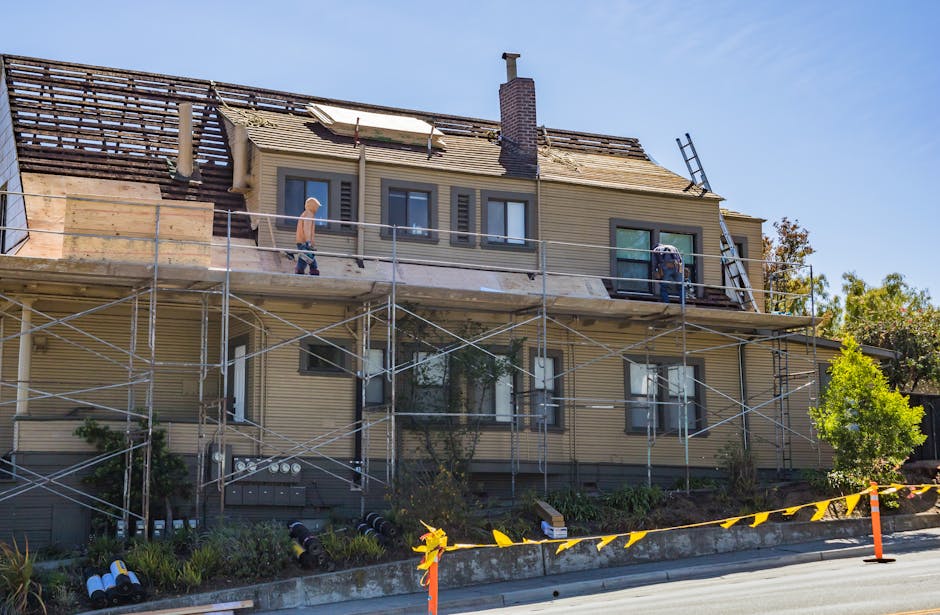
How To Compare Roof Replacement Quotes In The US
Learn how to effectively compare roof replacement quotes in the US to make informed decisions for your home improvement project.
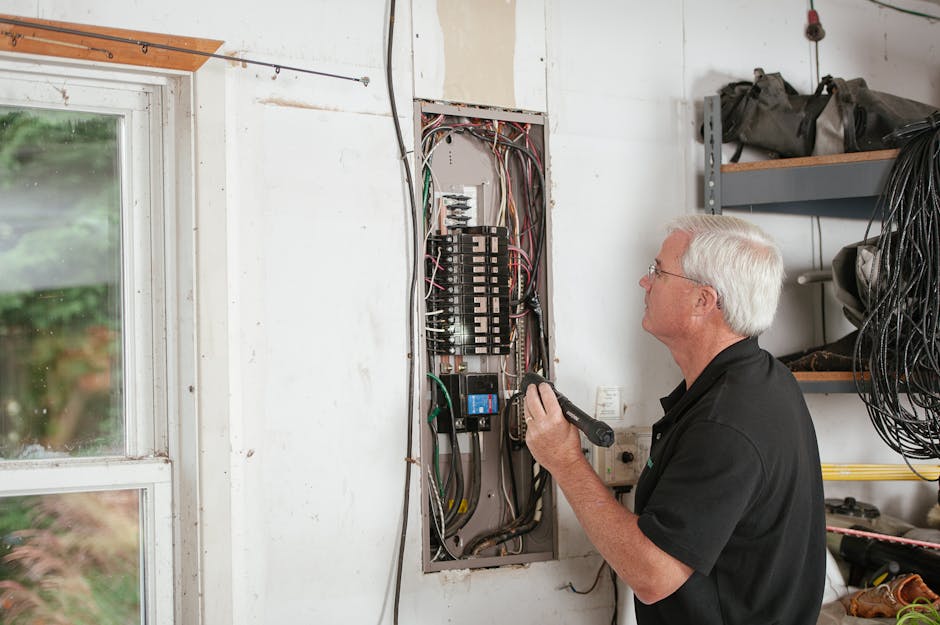
Understanding Electrical Panel Replacement Costs and Benefits
Explore the costs and benefits of replacing your electrical panel, including signs it's time for an update and potential savings.

VA Housing Grants for Disabled Veterans in Australia
Explore housing grants available for disabled veterans in Australia to assist in home modifications and purchasing new homes.