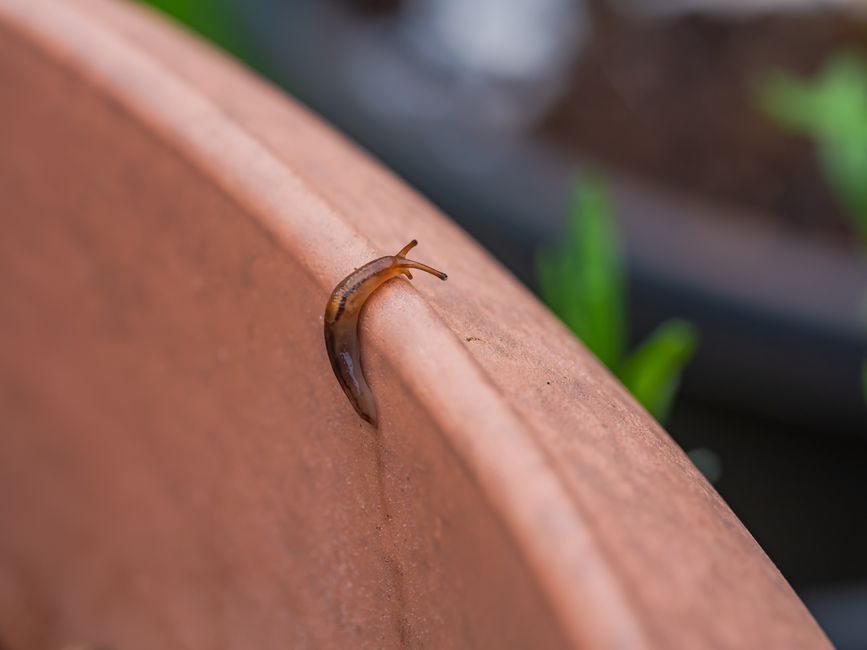
Understanding Slugs: Nature's Unique Gastropods
By Editorial Team · August 27, 2026
Introduction to Slugs
Slugs are gastropod mollusks that are often confused with snails due to their similar body structure. Unlike snails, slugs lack a prominent shell. They belong to the class Gastropoda, which includes both snails and slugs, and they can be found in various environments around the world. With over 1,000 species identified, slugs play an important role in many ecosystems.
Anatomy and Physiology
Slugs possess a soft, elongated body that is typically divided into three main parts: the head, the foot, and the visceral mass. The head contains sensory organs, including tentacles that help them detect light and smell. The foot, which is a muscular structure, allows slugs to move by contracting and relaxing, creating waves of motion. The visceral mass contains internal organs, including the digestive and reproductive systems.
One interesting aspect of slugs is their ability to produce mucus. This mucus serves multiple purposes, including aiding in locomotion by reducing friction against surfaces, protecting the body from desiccation, and helping to deter predators. Some species can produce a thick mucus when threatened, acting as a defense mechanism.
Habitat and Distribution
Slugs are highly adaptable creatures found in diverse habitats, from forests and gardens to wetlands and coastal areas. They prefer moist environments, as they are susceptible to drying out. As a result, slugs are often most active during the night or after rainfall when humidity levels are higher.
The distribution of slugs varies widely. While many species are native to specific regions, others have been introduced to new areas, often through human activity. For instance, the European brown garden slug is a common pest in North America, where it was introduced in the 19th century. This adaptability allows slugs to thrive in various ecosystems, which can sometimes lead to them becoming invasive species.
Diet and Feeding Behavior
Slugs are primarily herbivorous, feeding on a variety of plant materials, including leaves, stems, and decaying organic matter. Their feeding habits can have significant impacts on agriculture and gardening, as they can damage crops and ornamental plants. In some cases, slugs are considered pests due to their voracious appetites.
Slugs use a specialized feeding structure called a radula, which functions like a tongue with tiny teeth. This allows them to scrape food particles from surfaces. Some slugs are also known to be scavengers, consuming decomposing plant matter, which plays a crucial role in nutrient cycling within ecosystems.
Reproduction and Life Cycle
Slugs are hermaphroditic, possessing both male and female reproductive organs. This allows them to mate with any other slug of the same species, increasing the chances of successful reproduction. During mating, two slugs exchange sperm, which they can store for later use. After mating, slugs typically lay eggs in moist soil or under debris, where they will develop into juvenile slugs.
The life cycle of a slug varies depending on the species and environmental conditions. Most slugs reach maturity within a few months to a year, and they can live for several years in favorable conditions. Environmental factors, such as temperature and humidity, can significantly influence their growth and reproduction rates.
Ecological Importance
Slugs play a vital role in their ecosystems. As decomposers, they help break down organic matter, contributing to soil health and nutrient availability for plants. Additionally, slugs serve as a food source for various predators, including birds, mammals, and insects. Their presence in an ecosystem helps maintain the balance of various food webs.
However, their impact can also be negative, particularly in agricultural settings. Slugs can cause significant damage to crops, leading to economic losses for farmers. Integrated pest management strategies are often employed to control slug populations while minimizing harm to the environment.
Conclusion
Slugs are fascinating creatures that contribute significantly to their ecosystems. While they can be viewed as pests in certain contexts, their role as decomposers and food sources for other animals highlights their ecological importance. Understanding slugs and their behaviors can help us appreciate the complexity of nature and the interconnectedness of various species. By learning more about these unique gastropods, we can make informed decisions about how to manage them in both natural and cultivated environments.
Related articles
Understanding Slugs: Nature's Unique Creatures
Explore the fascinating world of slugs, their biology, habitats, and roles in ecosystems, while dispelling common myths about these creatures.
How Rainbows Form: The Science Behind Their Beauty
Explore the fascinating science of how rainbows form through light refraction and reflection in water droplets and discover their captivating colors.

Understanding Why the Sky Appears Blue
Discover the scientific reasons behind the blue appearance of the sky and the role of light scattering in this natural phenomenon